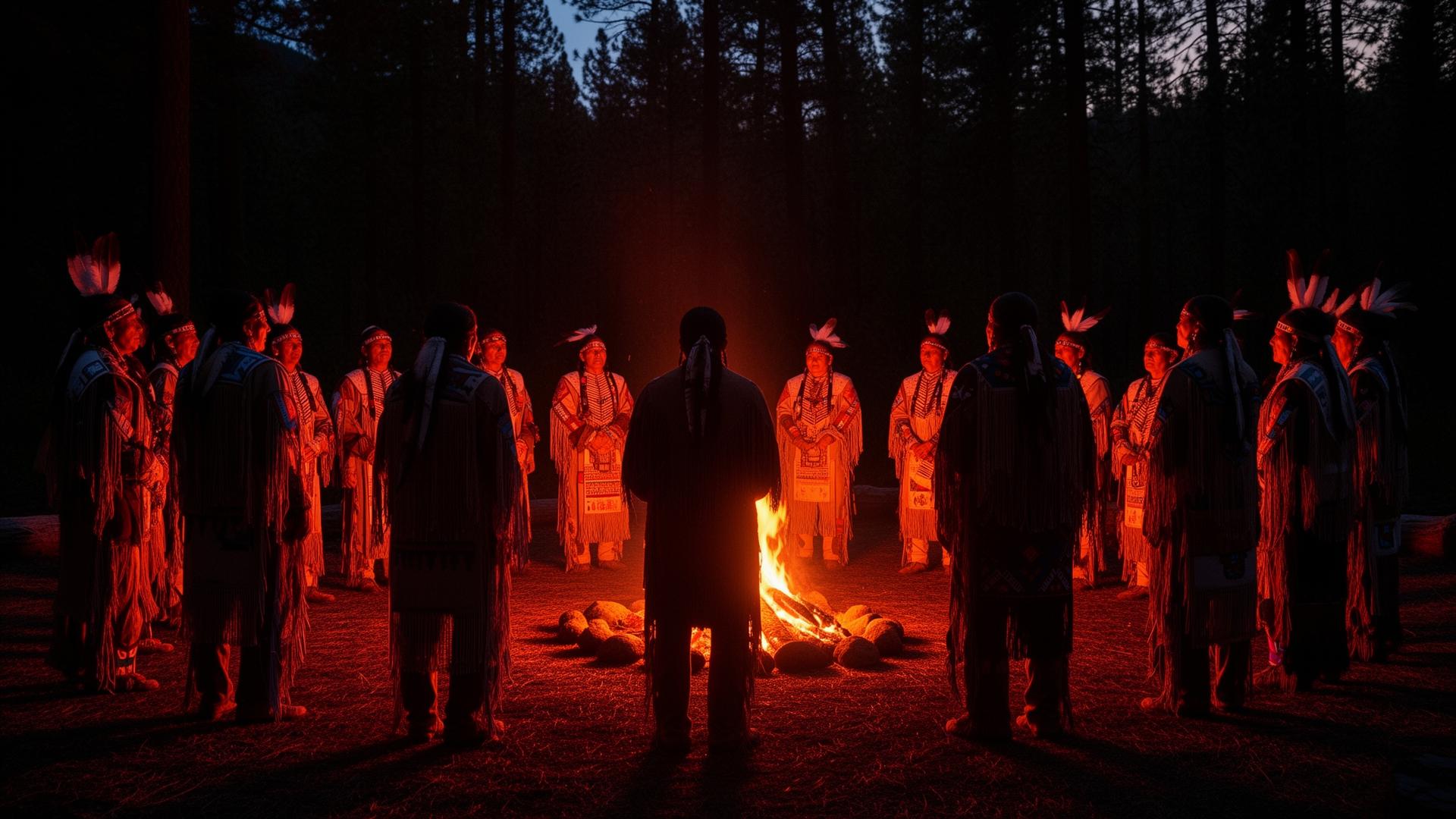
Historic Preservation
NAGPRA compliance, Section 106 consultation, and protection of burial grounds and sacred sites.

Ho. Kiwakomile
Welcome · A Shawnee Greeting
We are grateful for your visit. Join us in celebrating and preserving our rich culture. Your engagement and support are vital as we share our heritage and serve our citizens.
Our Mission
Our purpose is to preserve, share and honor the history, culture and traditions of the Piqua Shawnee Citizens, while providing services that promote their well-being. We strive to cultivate strong relationships and to maintain those friendships, for our people to live in peace and harmony among themselves and others.
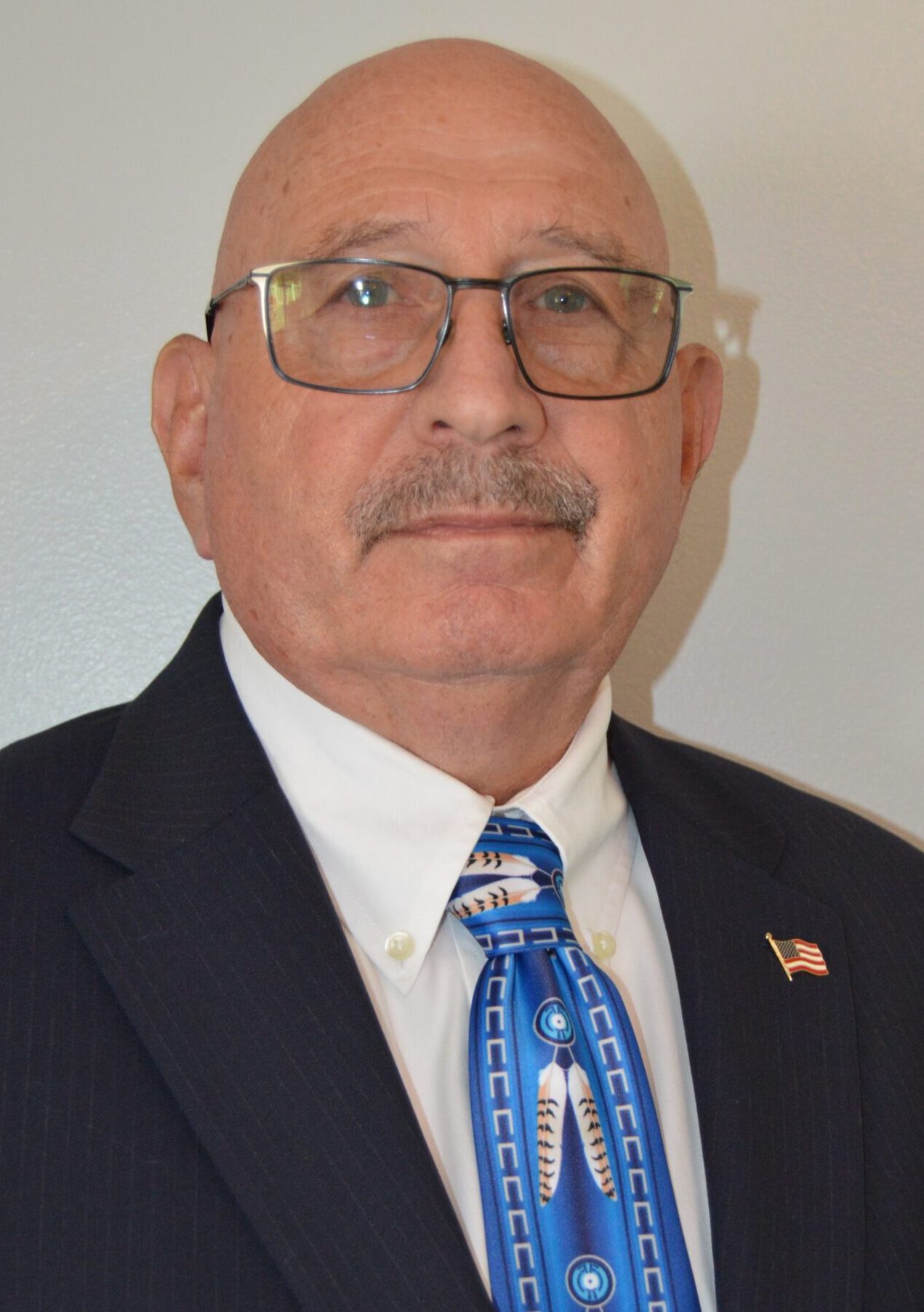
A Message From the Principal Chief
We would like to welcome you to the official page of the Piqua Shawnee Tribe. We are dedicated to historical and cultural preservation for the benefit of our tribal citizens and the community at large.
Our long-term settlement in Alabama makes us uniquely different from our Shawnee counterparts in Oklahoma. We have maintained our own history, culture, and government. While we as Shawnee people do share a distant common root, due to long-term isolation from one another, we essentially are not the same people.
Thank you for visiting, and we hope you enjoy your time here.
Chief Duane Everhart
Principal Chief · Piqua Shawnee Tribe of Alabama
Sovereignty · Recognition · Continuity
The Piqua Shawnee govern ourselves through our own Constitution, Tribal Council, and Council of Elders. We have never left Alabama.
July 10, 2001
Recognized by the Alabama Indian Affairs Commission under the Davis-Strong Act — the first petitioning group recognized in seventeen years.
Tribal Government
Governed by a Principal Chief and Second Chief, a Tribal Council of Clan leaders, and a Council of Elders serving in an advisory capacity.
Since Time Immemorial
Archaeologists document Shawnee settlements in Alabama as early as 1685. Our towns included Sawonogi (Montgomery), Chalakagay (Sylacauga), and Creek Path (Guntersville).
Programs & Services
NAGPRA compliance, Section 106 consultation, and protection of burial grounds and sacred sites.
Scholarship pathways through AIAC, the American Indian College Fund, Native Forward, NIEA, and partners.
Connection to Indian Health programs, YANAN crisis network, and SAMHSA tribal resources.
Verified citizens access tribal records, communications, and services through the Citizens Portal.
From the Official Newsletter
An overview of the Piqua Shawnee people — their long settlement in the southeastern homelands, their distinct path from Shawnee relatives in Oklahoma, and the cultural traditions carried forward by today's citizens.
Read articleAs published in the Official Newsletter of the Piqua Shawnee. By Barbara Lehmann, Piqua Shawnee Tribal Historic Preservation Officer. The history of the Shawnee begins in 1669–70, when they were living in two bodies at a considerable distance apart — divisions not fully united until nearly a century later.
Read articleArticles preserved from the Piqua Shawnee Official Newsletter archive.